Project Overview: Transforming a London Home for Net-Zero
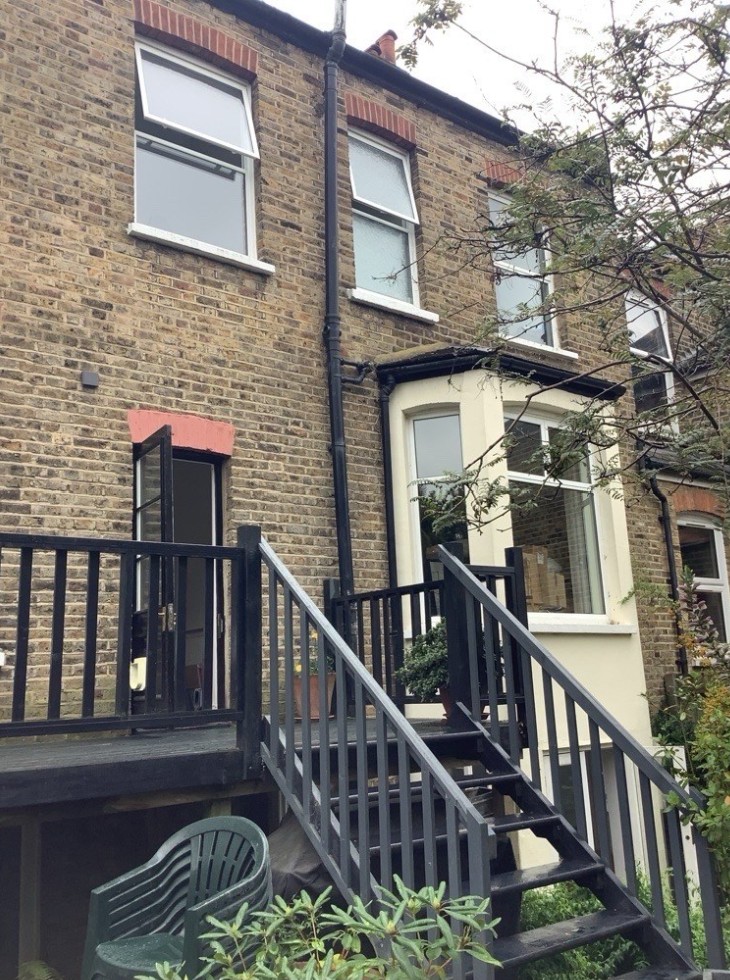
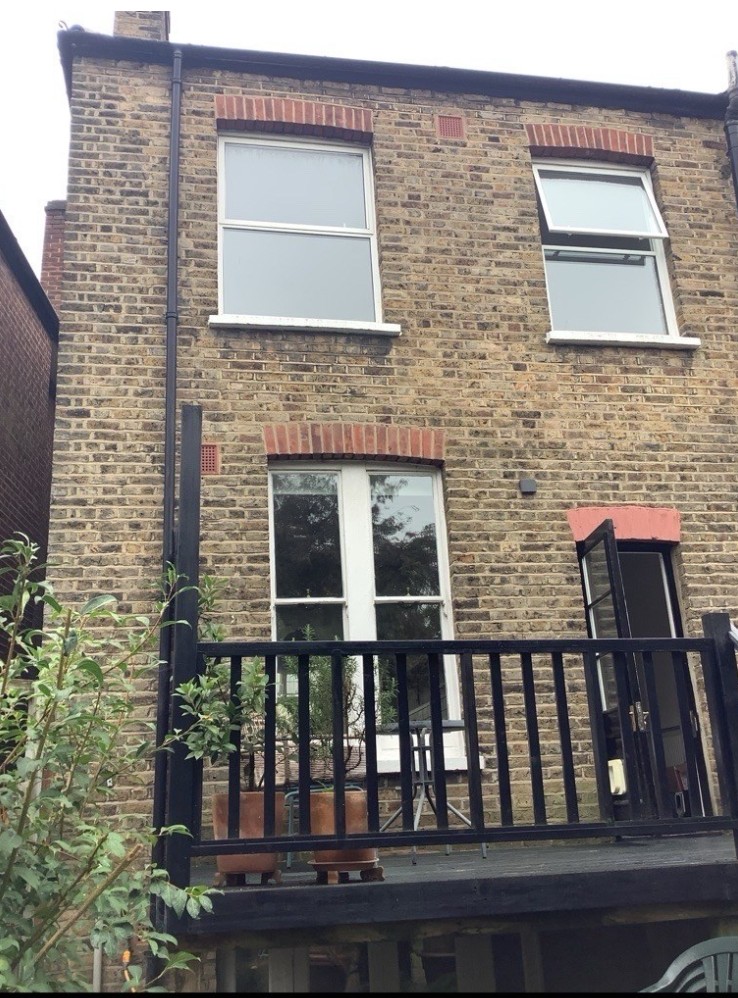
This project is located in an Edwardian residential area built between 1907 and 1911 on the site of the former Belmont villa in Lewisham, South London. The project aimed to improve energy efficiency and air quality through a deep energy retrofit. The homeowner wanted to tackle climate change and make their home as energy efficient as possible within their budget.
The scope of the first phase of work focused on a “fabric first” approach and included Internal Wall Insulation (IWI), a loft hatch upgrade, and a complete overhaul of the ventilation system4.
The project was informed, designed, and managed close to PAS 2035 standards (suitable IWI for PAS2035 was not available when we started the project) by Retrofit Co-ordinator Alex Woodcraft of Ecoalex Ltd. The specialized wood-fibre materials were supplied by Mike Wye Associates and the works were carried out by Richmond Plastering with support from Set M & E services.
The Initial Challenge
The property, an end-terrace house, was identified as being quite draughty and had an initial Energy Efficiency Rating of 63 D. Key areas for improvement included:
- Insulation Gaps: Uninsulated solid external walls, solid/uninsulated ground floors, and suspicion of missed sections in existing loft insulation.
- Moisture Risk: Signs of damp were noted, especially in the basement, indicating a need for careful moisture management and breathability in the new materials.
- Thermal Bridges: Significant thermal bridges were identified around the bay window roofs, the floor above the front door, and around windows and doors.
- Ventilation: Existing extractors were insufficient to address the new levels of air tightness.
Technical Validation: WUFI Hygrothermal Risk Analysis
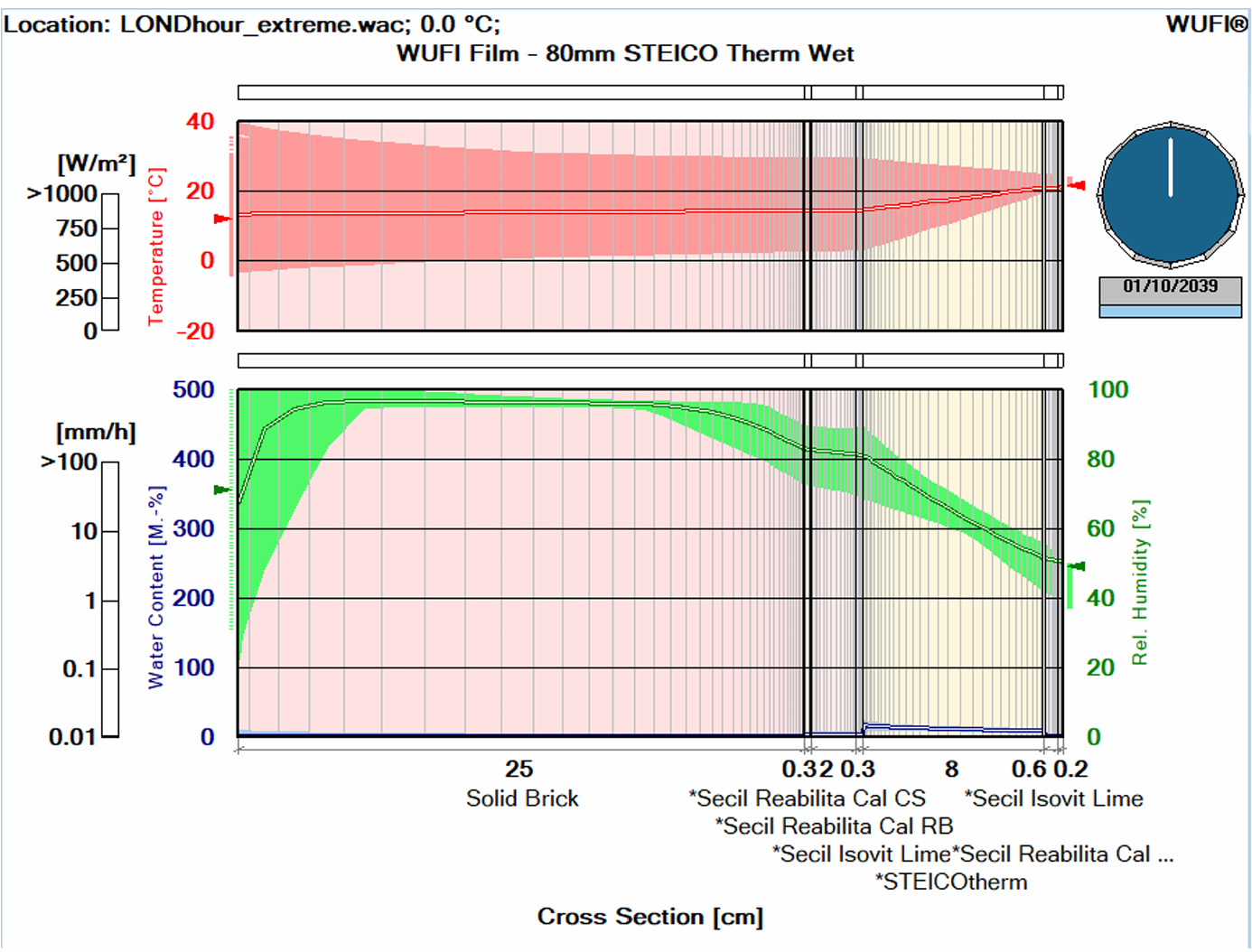
A desktop hygrothermal risk analysis was conducted by Mike Wye Ltd using WUFI Pro 6.7 software to simulate the long-term performance of the proposed Internal Wall Insulation system, ensuring it could manage moisture and prevent mould growth.
Wall Assembly and Thermal Performance
The IWI design utilized highly vapor-open materials (lime-based plasters and wood fibre) to manage moisture migrating from the existing solid brick wall:
- Insulation:80mm STEICO Therm Wet/Internal wood fibre board.
- Target U-Value: The finished wall assembly has a calculated steady-state U-value of 0.384 W/(m2K).
Moisture Management and Mould Risk
The 15-year simulation delivered confidence in the system’s long-term performance:
- Interior Mould Risk (Occupant Space): The interior surface (room side) is projected to have a relative humidity well below the 80%RH critical threshold for surface mould growth.
- Wood Fibre Safety: The moisture content within the STEICO Therm board is projected to remain consistently below the 24 M% safety threshold for wood decay.
- Installation Integrity: The viability of the system relies on ensuring no air pockets are formed and correct installation is followed, as predicted peaks in relative humidity at material interfaces can be mitigated through careful work.
Phase 1 Completion: The ‘Fabric First’ Foundation
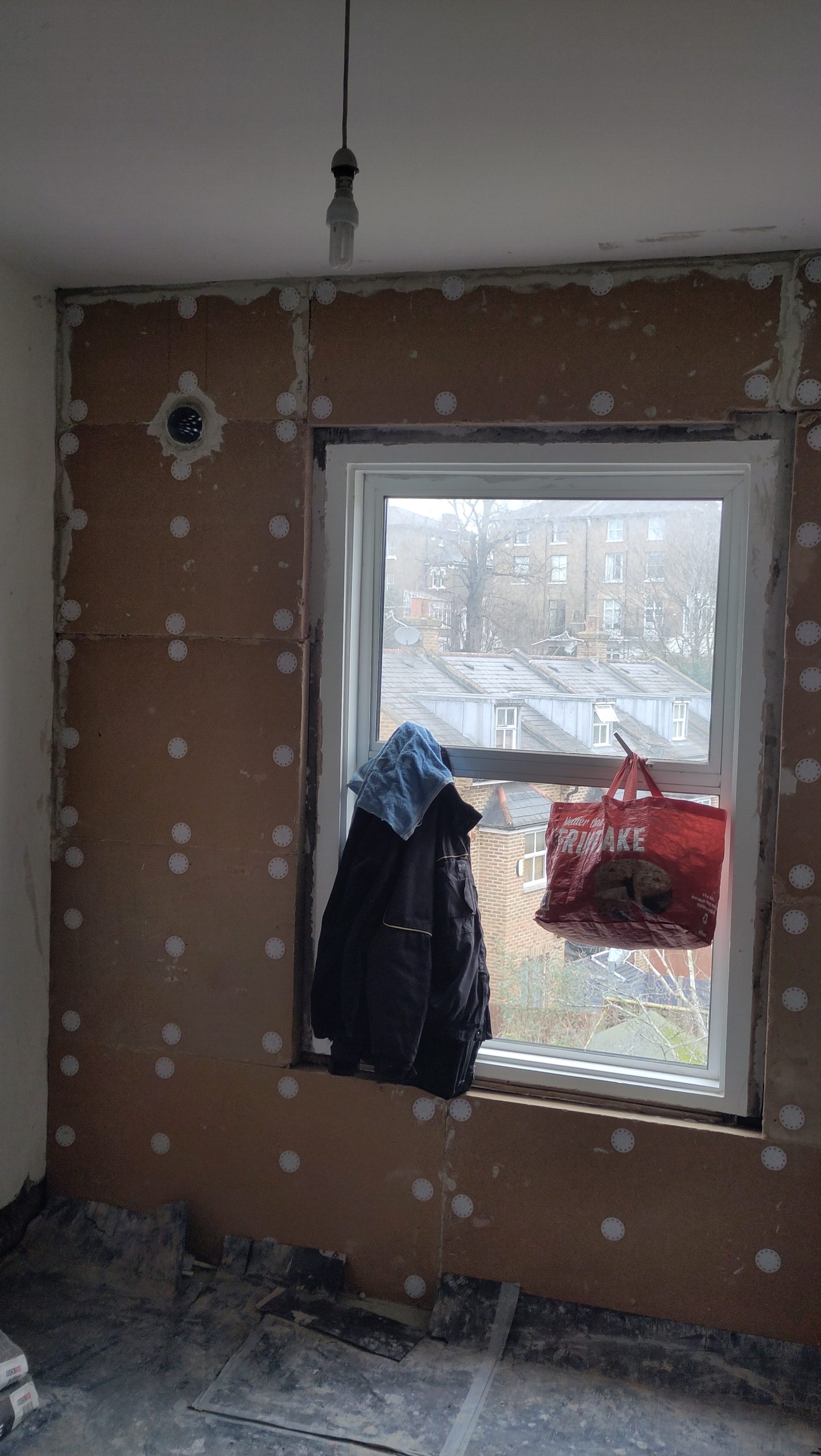
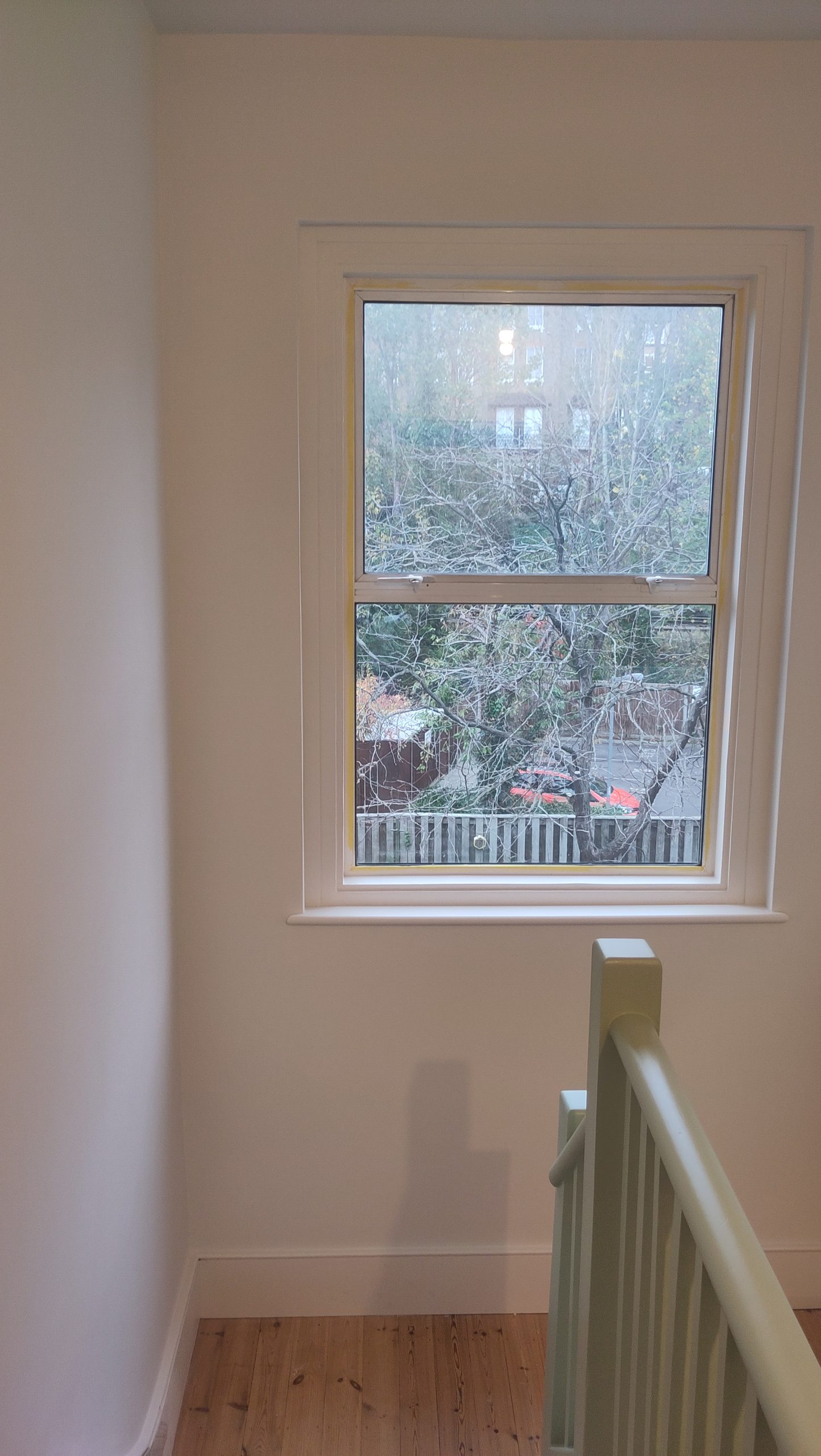
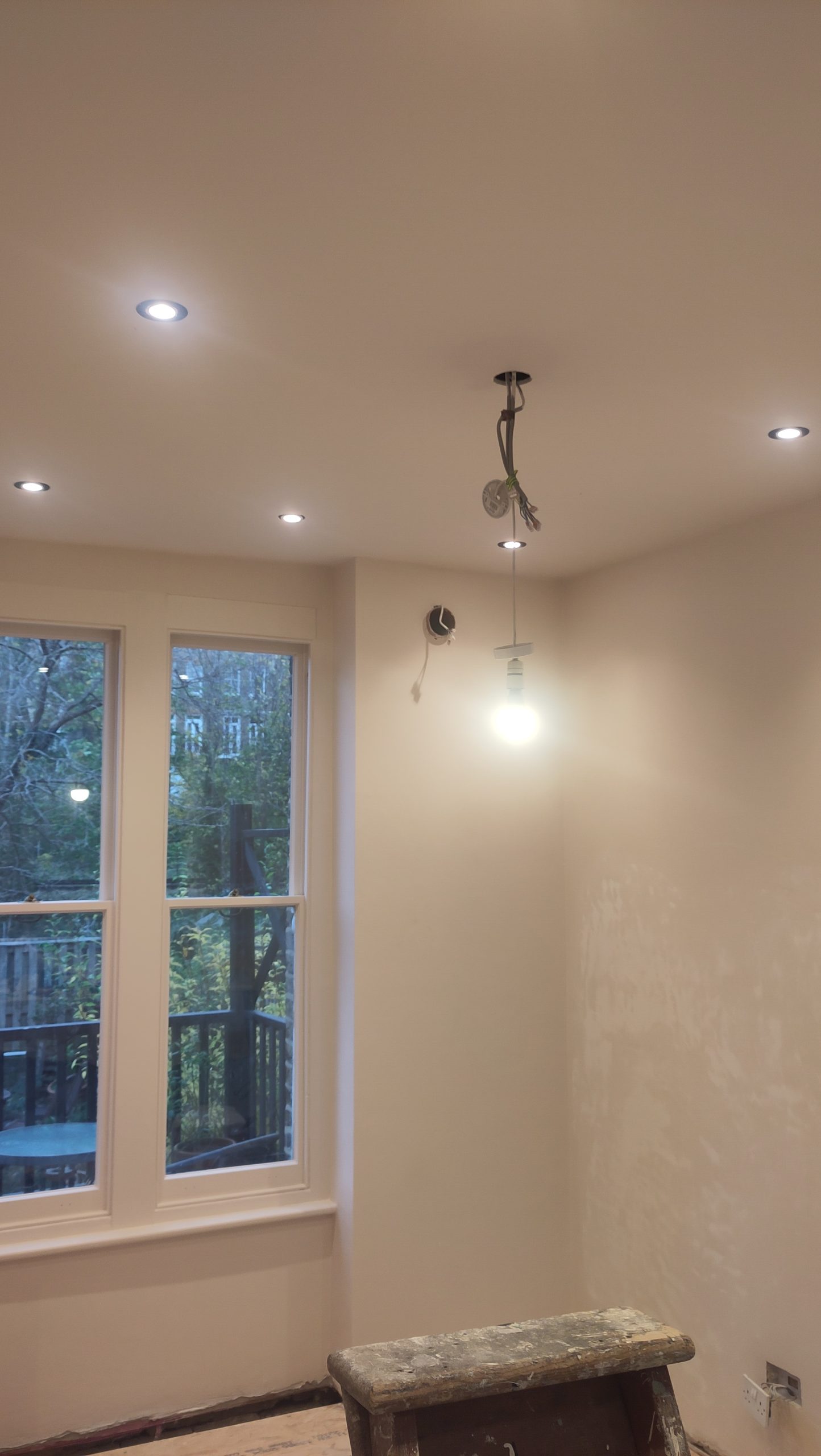
The completed work focused on addressing the home’s primary source of heat loss (the fabric) to create an ideal environment for low-carbon heating systems in later phases. The IWI walls all appeared to be plastered correctly, and the work is completed as requested.
Phase 1 Specific Measures Installed:
Internal Wall Insulation (IWI) to Solid Walls: 80mm wood fibre insulation with lime plaster was installed
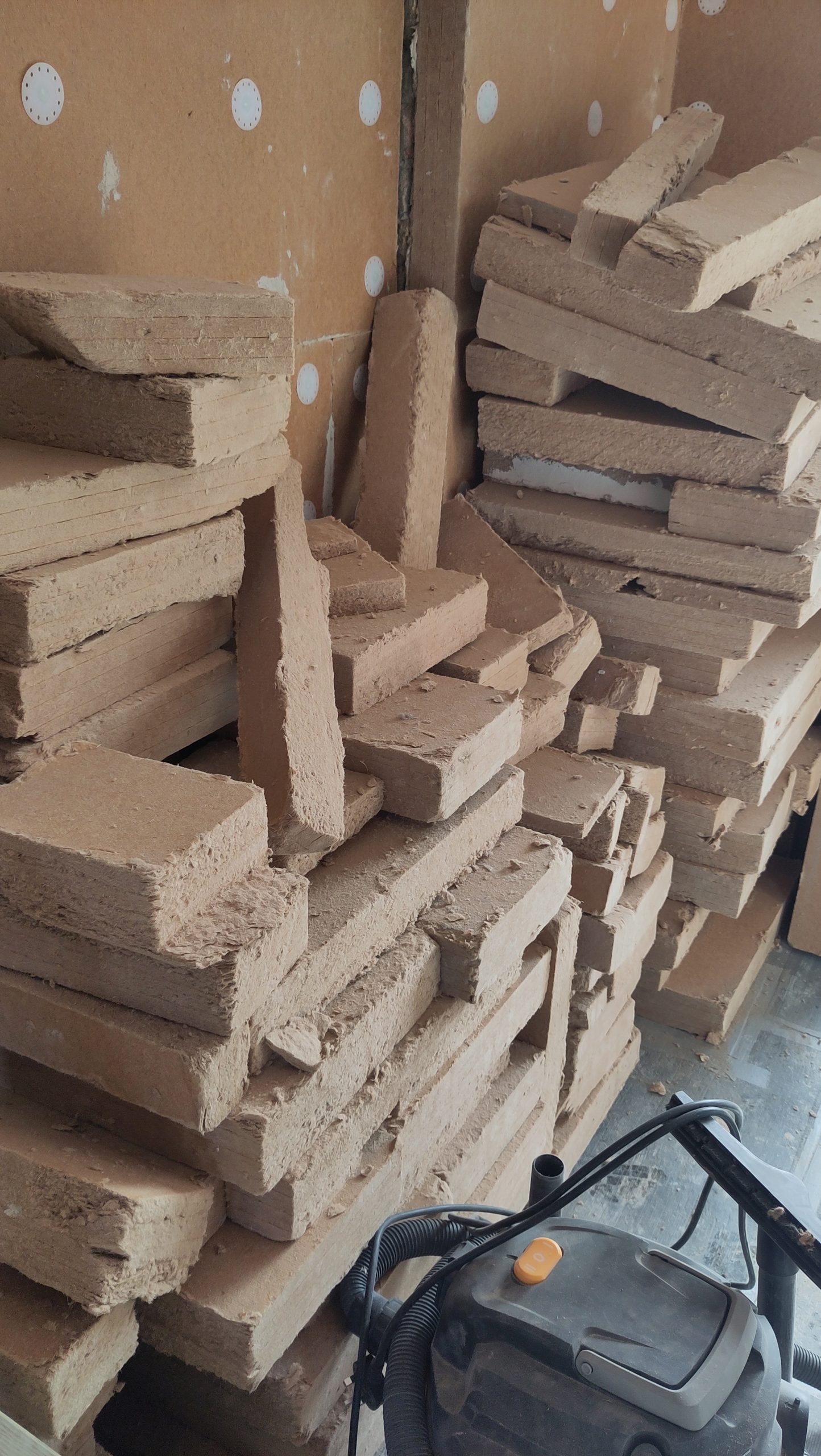
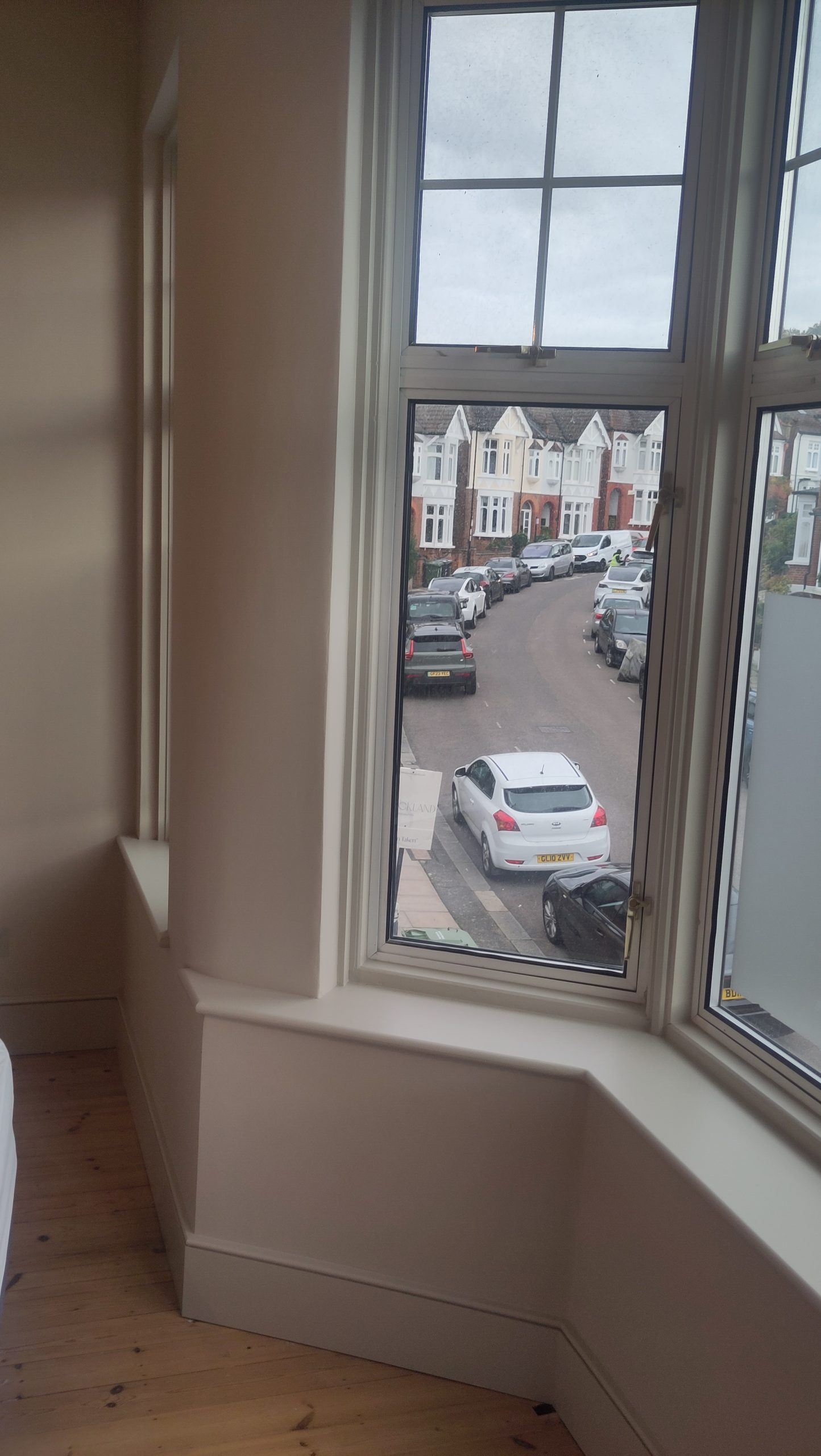
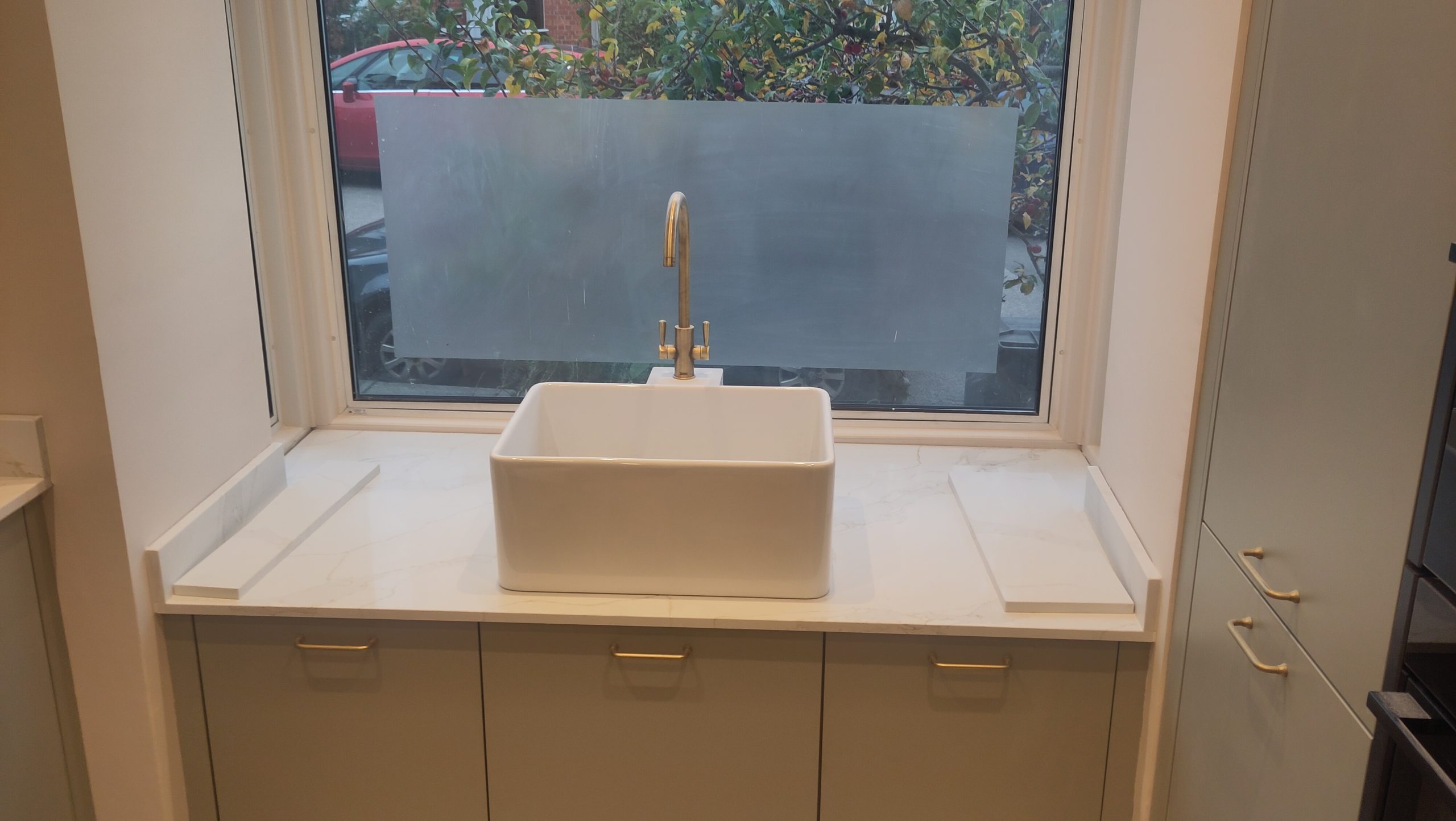
Thermal Bridge Mitigation: This was a critical part of the installation. This involved insulating the bay window roofs (which required specialized aerogel/slim insulation) , sealing penetrations, and treating the exposed joist ends with a parge coat of lime plaster.


Roof Insulation: 150mm of insulation was added to the existing ‘As Built’ flat roof sections.

New Insulated Loft Hatch: A new, suitable insulated loft hatch was installed.
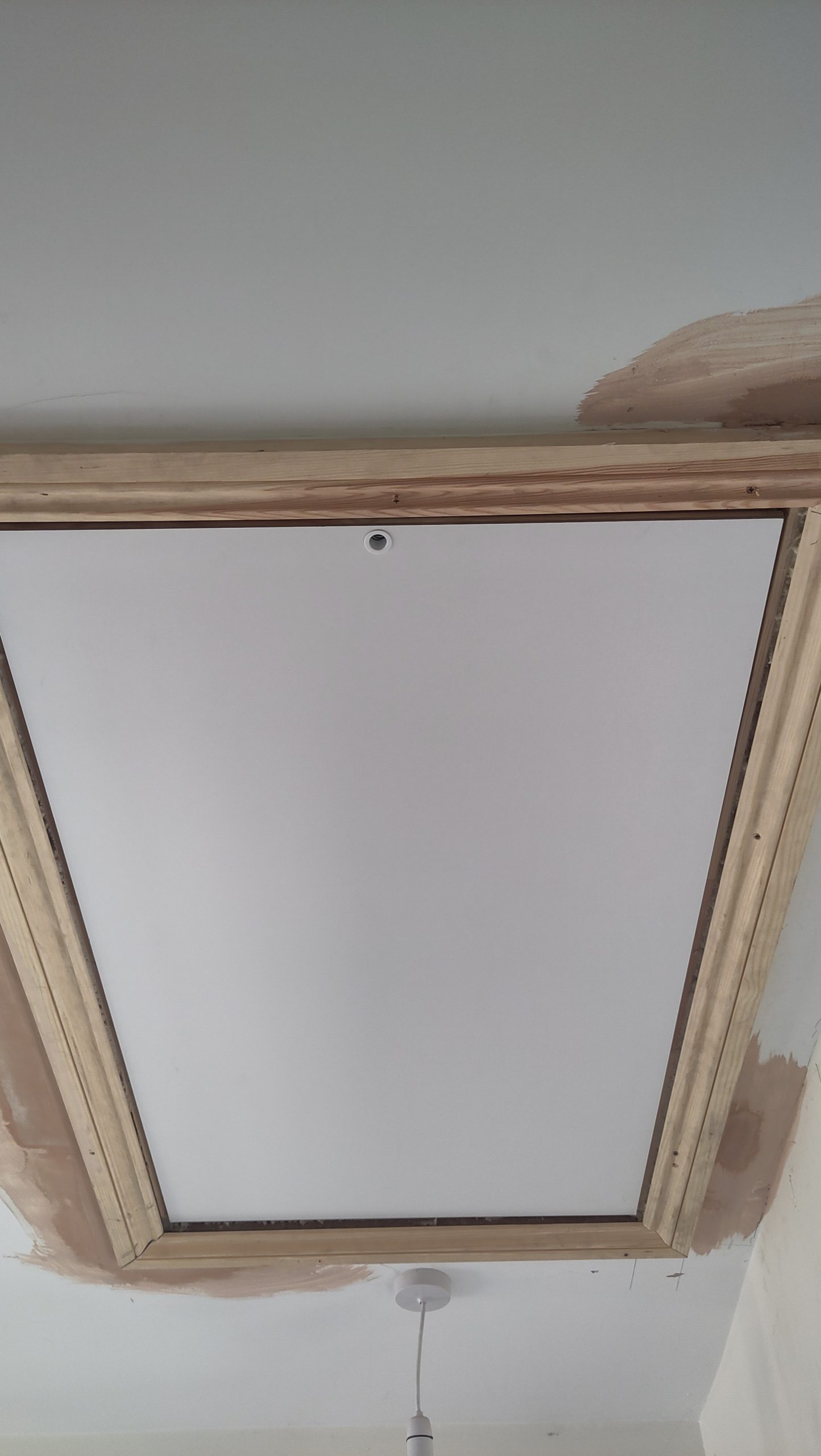
Exposed Floor Insulation: Insulation 50mm was added to the uninsulated exposed floor areas.
Whole-House Ventilation Upgrade (Continuous Extract): The previous natural ventilation was replaced with a low-noise, humidity-controlled system (Greenwood CV2.1 or similar).

Immediate Achievements from Phase 1
The completion of Phase 1 successfully upgraded the property’s building fabric35.
| Metric | Before Retrofit (Now) | After Phase 1 (Completed) | Improvement |
| Energy Rating (Score/Band) | 63 D | 76 C | Upgrade of 13 points |
| Annual Fuel Bill | £2,761 | £1,740 | 37% Reduction |
| Carbon Footprint ($\text{tCO}_2$) | 7.03 | 4.13 | 41% Reduction |
Phase 1: The Crucial Step for Future Carbon Savings
The completion of Phase 1 is a fundamental step, achieving a massive reduction in the home’s total heat loss (its “demand”). This is the key to unlocking the dramatic carbon savings planned for the subsequent phases:
- Enabling ASHP Efficiency: Because the home’s heating demand has been drastically cut by the IWI and other fabric measures, the Air Source Heat Pump (ASHP) planned for Phase 2 will be correctly sized and operate at its peak efficiency.
- Controlling Moisture: The new humidity-controlled ventilation system, a prerequisite for the IWI’s long-term performance and validated by the WUFI analysis, is critical to prevent moisture build up in the more airtight, insulated structure.
Future Phases and Predicted Results:
Phase 1 lays the groundwork for the most impactful carbon-reducing measures:
| Phase | Key Measures | Target Energy Rating | Target tCO2 (Cumulative Reduction) |
| Phase 2 | ASHP Installation and Solar PV | 83 B | 0.61 tCO2 (91% reduction) |
| Phase 3 | Insulated Solid Floors, WWHRS | 84 B | 0.54 tCO2 (92% reduction) |
Once the subsequent phases are completed, the home will achieve a near-net-zero carbon footprint, directly demonstrating the success of the “fabric first” approach.
We will add an interview with the clients when the project is complete.